
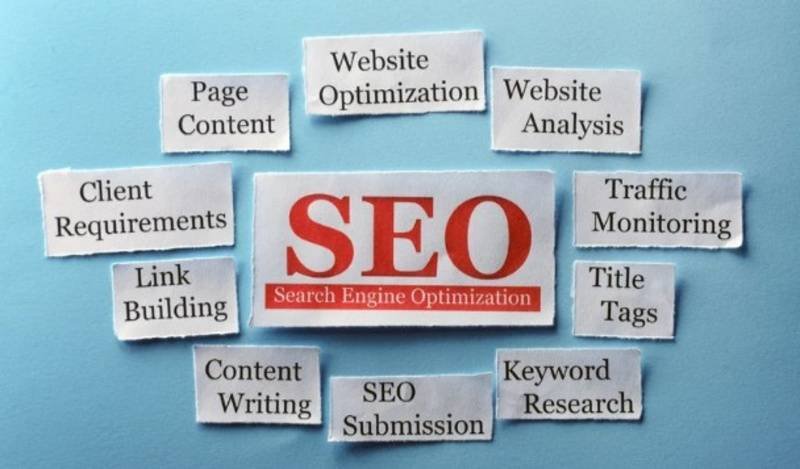
I have seen websites with strong designs, useful content, and good offers still struggle because the technical foundation was weak. A slow page, blocked crawl path, poor mobile layout, broken redirect, or indexing issue can quietly stop a site from reaching the right visitors. That is why technical seo services for website performance matter so much for any business that depends on online leads.
Technical SEO is not just about pleasing search engines. It is about making a website faster, cleaner, easier to crawl, easier to use, and easier to trust. When the technical side works well, every page has a better chance to load quickly, appear correctly, and guide visitors toward action.
What Technical SEO Really Means
Technical SEO focuses on the behind-the-scenes health of a website. It checks whether search engines can crawl pages, understand content, index important URLs, and avoid wasting time on broken or duplicate pages.
It also improves how visitors experience the site. If a page loads slowly, shifts while loading, or freezes when someone taps a button, people leave. Search engines also pay close attention to user experience signals, especially mobile performance and Core Web Vitals.
A strong technical SEO strategy looks at speed, structure, crawlability, security, mobile usability, schema markup, internal linking, sitemaps, robots.txt files, redirects, duplicate content, and website errors. These pieces may sound small alone, but together they decide how smoothly a website performs.
Why Website Performance Depends on Technical SEO

Website performance is not only about hosting or image size. A site can be slow because of heavy JavaScript, unused code, poor caching, oversized media, too many plugins, redirect chains, weak server response time, or bloated page builders.
Technical SEO helps find these issues before they affect rankings and conversions. Faster pages make it easier for visitors to stay, browse, and contact the business. Clean site architecture helps search engines understand which pages matter most. Better internal linking helps important pages get discovered faster.
For business websites, this is important because performance problems often look like marketing problems. A company may think it needs more content or more ads, but the real issue may be that pages are too slow, not indexed properly, or difficult to use on mobile.
Core Services That Improve Website Performance
A proper technical SEO process usually starts with a complete website audit. This audit checks crawl errors, indexing problems, broken links, redirects, duplicate pages, missing metadata, sitemap issues, robots.txt restrictions, mobile usability, page speed, and structured data.
Page speed optimization is one of the most important services. It may include compressing images, improving caching, reducing unused CSS and JavaScript, improving server response time, lazy loading media, and cleaning unnecessary plugins or scripts.
Crawlability and indexing fixes are also essential. Search engines need clear access to important pages. If useful pages are blocked, no-indexed, buried too deep, or missing from the sitemap, they may struggle to rank even when the content is strong.
Mobile optimization is another major area. Since many users browse from phones, the website must load well, display properly, and make buttons, forms, menus, and content easy to use on smaller screens.
Schema markup also helps website performance from a search visibility angle. It gives search engines clearer context about services, FAQs, reviews, products, local business details, and articles.
Technical SEO Services for Website Performance That Matter Most

Not every fix has the same value. The best technical SEO services for website performance focus on the problems that directly affect visibility, speed, user experience, and how well on-page SEO services can support stronger rankings.
The first priority is crawl and indexing health. If search engines cannot access the right pages, other SEO work becomes weaker. The second priority is speed and Core Web Vitals. Pages should load quickly, respond smoothly, and remain visually stable. The third priority is mobile usability because visitors should not struggle to read, tap, or complete forms. The fourth priority is site structure, including internal links, clean URLs, and logical navigation.
After that, businesses should improve schema, fix duplicate content, remove broken links, clean redirects, update XML sitemaps, secure the website with HTTPS, and monitor Search Console regularly.
Common Technical SEO Mistakes That Hurt Results
One common mistake is focusing only on design. A site can look modern but still load slowly, confuse search engines, or fail on mobile. Another mistake is installing too many plugins without checking how they affect speed.
Many websites also have duplicate pages caused by tags, filters, categories, tracking URLs, or old versions of pages. These duplicates can weaken ranking signals and waste crawl budget.
Another issue is poor redirect handling. Redirect chains, broken redirects, and old URLs pointing to irrelevant pages can hurt both users and search engines. Broken internal links create a similar problem because they interrupt the visitor journey and make the site look neglected.
A weak sitemap can also create trouble. Important pages should be included, while low-value or duplicate URLs should stay out. The same applies to robots.txt and noindex tags. One wrong setting can keep important pages out of search results.
DIY Fixes vs Hiring a Technical SEO Expert

Some basic technical SEO tasks can be handled in-house. A business owner or marketer can compress images, update plugins, remove broken links, check mobile layouts, and use free tools to review page speed.
However, deeper problems often need expert help. JavaScript rendering issues, crawl budget waste, log file analysis, migration planning, structured data errors, indexing conflicts, and large-scale site architecture problems can be difficult to fix without experience.
Hiring a technical SEO expert makes sense when traffic drops without a clear reason, important pages are not ranking, Core Web Vitals are poor, the website has hundreds of pages, or a redesign or migration is planned. In these cases, the cost of ignoring the issue can be higher than the cost of fixing it.
How Technical SEO Supports Leads and Conversions
Technical SEO is often treated as a ranking task, but it also affects conversions. A faster website feels more reliable. A clean mobile layout makes forms easier to complete. Strong internal linking helps visitors find service pages faster. Fewer errors create a smoother path from search result to inquiry.
When a site performs well, marketing campaigns also become stronger. Paid ads, content marketing, local SEO, and email traffic all benefit from a fast, stable, and easy-to-use website.
This is why technical SEO should not be treated as a one-time checklist. Websites change often. New plugins, design updates, blog posts, landing pages, tracking scripts, and hosting changes can create new issues. Regular monitoring keeps performance from slipping over time.
Frequently Asked Questions
1. What are technical seo services for website performance?
They are services that improve site speed, crawlability, indexing, mobile usability, Core Web Vitals, structured data, redirects, sitemaps, and overall technical health.
2. How often should a website get a technical SEO audit?
A small business website should be reviewed at least twice a year, while larger or frequently updated websites may need monthly checks.
3. Can technical SEO improve rankings?
Yes, because it helps search engines crawl, understand, and index important pages while improving speed and user experience.
4. Is page speed part of technical SEO?
Yes, page speed is a major part of technical SEO because slow loading can hurt visitors, conversions, and search visibility.
Final Thoughts
I believe technical SEO is one of the most overlooked growth tools for business websites. Content and design matter, but they cannot perform well if the site is slow, hard to crawl, poorly structured, or frustrating on mobile.
The best approach is to fix the foundation first. Start with crawlability, indexing, speed, Core Web Vitals, mobile usability, and clean site architecture. Then improve schema, redirects, duplicate content, sitemaps, and ongoing monitoring. When the technical side works properly, every page has a better chance to rank, load faster, and turn visitors into real leads.