
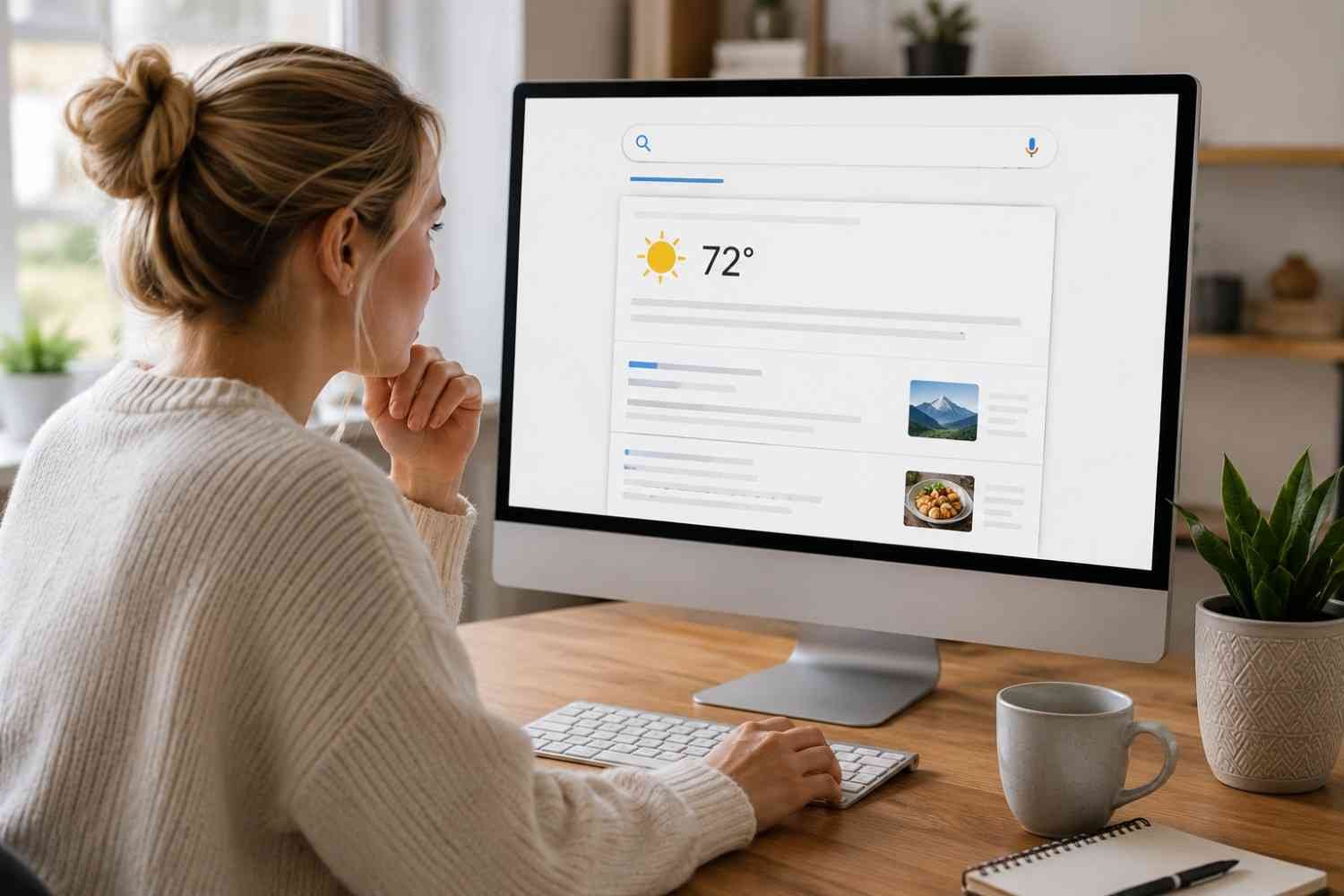
Search has changed more in the past couple of years than it did over the previous decade. People no longer have to visit multiple websites to find a quick answer. Whether they’re looking for a definition, recipe, weather update, or product comparison, search engines often display the information directly on the results page. That shift has changed how users interact with search and how websites earn visibility.
Understanding zero-click search optimization starts with recognizing that rankings alone are no longer the goal. Modern SEO is about making your content visible wherever people search, including AI-generated answers, featured snippets, and other search features. A click is still valuable, but visibility and trust are becoming just as important.
What Is Zero-Click Search Optimization?
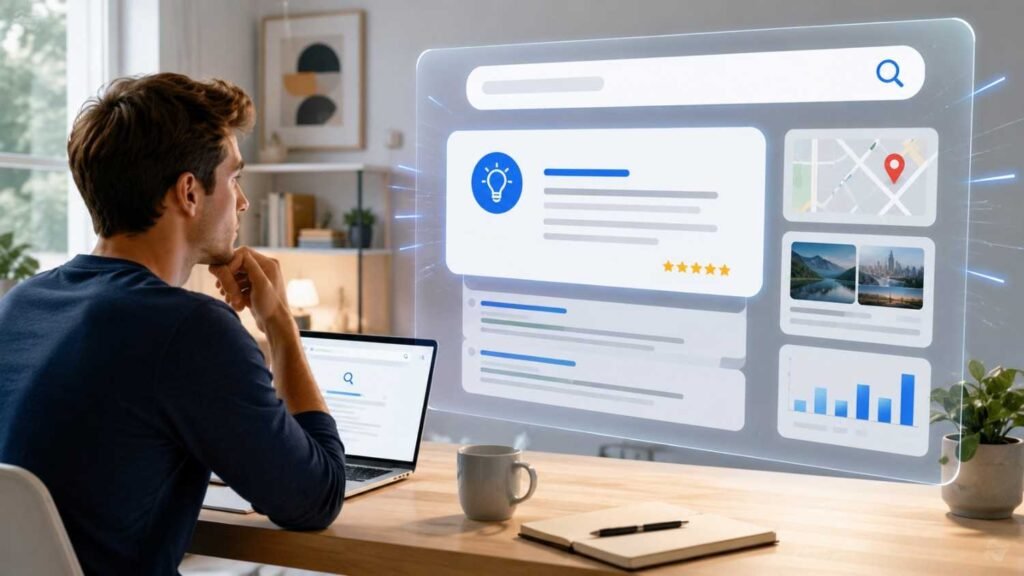
Zero-click search optimization is the process of creating content that can appear directly within search results, allowing users to find useful information without visiting your website. Instead of focusing only on increasing organic traffic, this approach aims to improve your presence in AI Overviews, featured snippets, knowledge panels, local search results, and People Also Ask sections.
It’s important not to confuse this with a zero-click search. A zero-click search describes what the user does—they get their answer without clicking a result. Zero-click search optimization describes what content creators do to make their information eligible for those prominent search placements.
While fewer clicks may seem like a disadvantage, appearing as a trusted source still builds brand awareness and credibility. When users repeatedly see your content providing reliable answers, they’re more likely to remember your brand when they need deeper information later.
Why Zero-Click Searches Are Becoming More Common
Search engines have evolved from directories into answer engines. Their goal is to solve a user’s question as quickly as possible, and artificial intelligence has accelerated that transformation.
AI Overviews now summarize information from multiple trusted sources into conversational responses. Featured snippets highlight short answers above traditional search listings, while knowledge panels provide quick facts about businesses, people, and topics. Even local search results display business information, reviews, directions, and operating hours before users ever click a website.
This doesn’t mean websites have become less important. It simply means search visibility now extends beyond the traditional blue links that dominated search results for years.
Why Visibility Still Matters Without a Click?
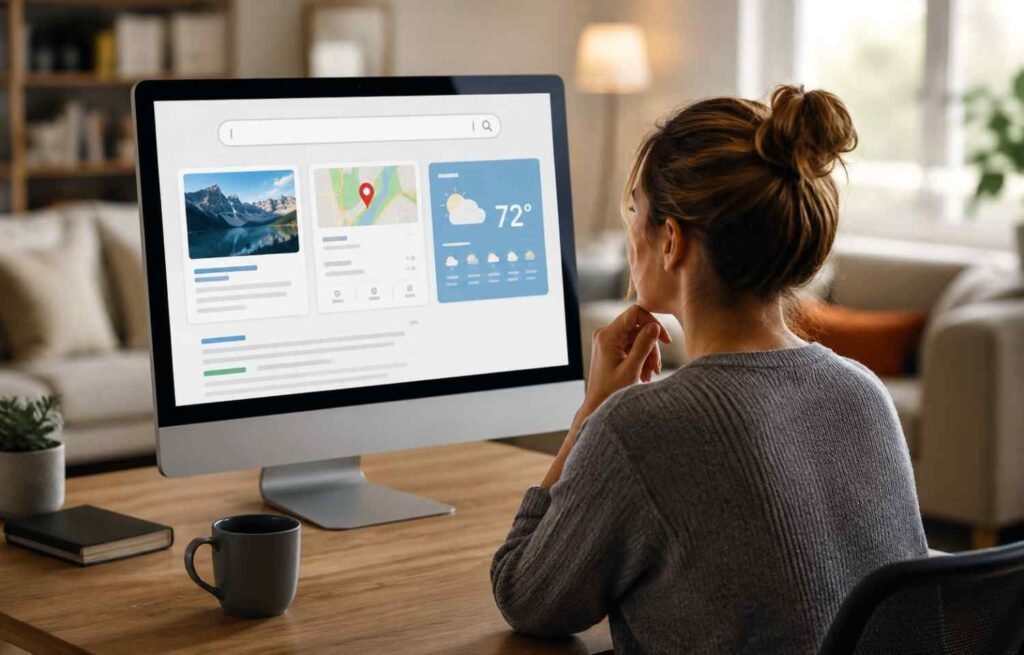
One of the biggest misconceptions surrounding modern SEO is that every impression must become a website visit. In reality, appearing in high-visibility search features creates value in several ways.
When users repeatedly encounter your brand in search results, they begin associating it with expertise. That familiarity often leads to branded searches, direct visits, newsletter signups, or future purchases when they’re ready to explore a topic in greater depth.
Think of zero-click visibility as the digital equivalent of seeing the same expert quoted in multiple publications. Even if you don’t read every interview, you begin recognizing the name as a trusted authority.
How to Optimize Content for Zero-Click Search
Creating content for AI-powered search isn’t about writing differently for machines. It’s about organizing information so both people and search engines can understand it quickly.
A few practices consistently improve visibility:
- Answer the primary question immediately after each heading using short, direct paragraphs.
- Structure content with clear H2 and H3 headings so information is easy to scan.
- Use bullet points, tables, and logical formatting where they genuinely improve readability.
- Add structured data such as FAQPage, Article, or HowTo schema to help search engines interpret your content.
- Target conversational, question-based keywords like who, what, why, when, where, and how because they often trigger AI-generated answers and featured snippets.
Content should also demonstrate experience, expertise, authority, and trustworthiness. Instead of publishing dozens of unrelated articles, build topical authority by covering subjects comprehensively. That’s one reason businesses investing in how to promote a website through blogs often see stronger long-term visibility—they create interconnected content that helps both readers and search engines understand their expertise.
Modern SEO also benefits from writing naturally. Short paragraphs, descriptive headings, conversational English, and semantic SEO make information easier for both humans and AI systems to interpret.
Why EEAT Matters More Than Ever

As AI-generated search experiences become more common, search engines place greater emphasis on content they consider trustworthy. That’s where Experience, Expertise, Authoritativeness, and Trustworthiness—often referred to as EEAT—play an increasingly important role.
Strong EEAT isn’t created by adding buzzwords or lengthy introductions. It comes from publishing accurate information, citing reliable sources, answering search intent clearly, and demonstrating genuine knowledge of a topic. Articles that solve real problems are far more likely to appear in AI summaries than pages filled with unnecessary keyword repetition.
Does Zero Click Search Hurt SEO?
Not necessarily. It changes how success is measured.
For years, SEO focused heavily on rankings and click-through rates. Those metrics still matter, but they’re no longer the whole picture. If your content appears in an AI Overview or featured snippet, users may recognize your brand even if they don’t immediately visit your website.
That visibility can increase trust, encourage future branded searches, and attract visitors with stronger intent. Instead of chasing every click, modern SEO focuses on becoming the source search engines rely on when presenting answers.
The smartest strategy is to balance both goals. Optimize content for zero-click visibility while continuing to publish valuable resources that encourage users to click when they need deeper insights. Websites that consistently answer real questions and organize information well are better positioned for both AI-powered search and traditional organic results.
FAQs: Understanding Zero-Click Search Optimization Meaning for Modern SEO
1. What is zero-click search optimization?
Zero-click search optimization is the practice of creating content that can appear directly in AI Overviews, featured snippets, and other search features, increasing visibility even when users don’t click through to a website.
2. Why are zero-click searches becoming more common?
Search engines now provide instant answers using AI, knowledge panels, featured snippets, and People Also Ask sections, allowing users to find information without leaving the results page.
3. Does zero-click SEO replace traditional SEO?
No. It complements traditional SEO. Strong rankings, quality content, and technical optimization still matter, but content also needs to be structured for AI-driven search experiences.
4. How can I optimize my content for zero-click searches?
Answer questions clearly, use descriptive headings, add structured data, target conversational keywords, and publish trustworthy content that demonstrates topical authority and satisfies user intent.
Why Search Visibility Is Becoming the Real Goal
Modern SEO isn’t moving away from website traffic—it’s expanding the definition of success. As search engines deliver more answers directly on the results page, brands that consistently provide clear, trustworthy information earn visibility long before someone becomes a visitor. That’s why understanding zero-click search optimization meaning is no longer optional for businesses investing in long-term organic growth.
The websites that adapt to how people search today will be the ones people remember tomorrow.